
Working at MMD
Nine countries · more than 5,000 people · steel made where it is used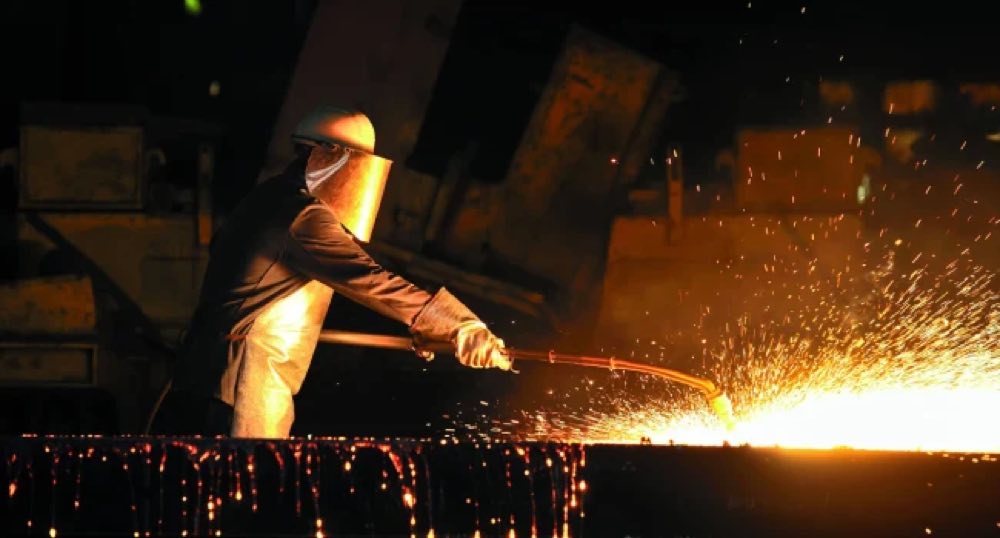
MMD was formed in 2006 to end sub-Saharan Africa's dependence on imported steel. We melt, roll and treat it in the countries that use it.
To MMD, steel is the backbone of a vibrant community, creating a sustainable livelihood for the people of Africa.
MMD is the leading manufacturer of TMT® rebars — high-quality thermo-mechanically treated steel reinforcement bars — and merchant bars, and the top supplier to the local construction industry. Producing here removes a country's dependence on imported rebar, supports the construction industry, reduces pollution from shipping steel in, and keeps the money in the local economy.
Steel is just iron with a very small amount of carbon mixed in — usually less than two grams in every kilogram of metal. Pure iron is soft and bends easily. That pinch of carbon sits between the iron atoms and locks them in place, and the metal becomes one of the strongest, most useful materials on earth.
| Melt | Scrap steel and direct-reduced iron go into an electric furnace at over 1,500 degrees — about six times a kitchen oven at full heat. The metal turns liquid, like a glowing orange soup. |
| Purify | Oxygen is blown through the liquid metal to burn off sulphur, phosphorus and excess carbon. The slag floating on top is skimmed off and the exact composition is mixed in. |
| Cast | The clean liquid steel is poured into a continuous caster, cooled by water spray, and comes out as solid square bars called billets. |
| Roll | Billets are reheated and squeezed through a rolling mill into their final shape. For rebar the rollers press on the ridges, and the bar is cut, cooled and bundled. |
TMT rebar — thermo-mechanically treated. A controlled cooling process gives the bar a hard outer surface and a tough, flexible core, which is what you want where structures must take a shock. Rebar is tied into cages and concrete is poured around it: the concrete takes the pushing forces, the steel takes the pulling. The ridges on a bar are not decoration — they give the concrete something to grip.
Merchant bars — angles, channels, flats and rounds that workshops cut and weld into gates, frames, trailers and machinery.
Africa is in the middle of the largest urbanisation in human history. Every person moving to a city needs a home; homes need roads, roads need bridges, cities need schools, clinics, water and power. All of it takes steel. Many African countries still import most of what they use, at heavy cost. A mill on the ground cuts that dependence, keeps the money in the country and answers local demand faster.
Reinforced steel (rebars) · Angles · Channels · Flats and flat bars · Open profiles · UPN and IPE beams · Round and square bars · Round and square tubes · Pipes · Steel plates · Plain sheets · Corrugated and roofing sheets · Bending wire · Binding wire · Wire drawing
Every bundle of rebar leaving an MMD mill goes into a building somewhere in Africa. Rolling steel on the floor, processing an order in the office, loading a truck in a depot — it is the same chain, turning raw material into the infrastructure a country is built on. That is not a small thing.
| Company | Country | City | Making steel since |
|---|---|---|---|
| FMFabrimetal | Angola | Luanda | 2010 |
| FMFabrimetal | Benin | Cotonou | 2022 |
| CMCIM Metal | Burkina Faso | Ouagadougou | 2016 |
| FMFabrimetal | Burundi | Bujumbura | 2023 |
| FAFAMECO | DR Congo | Kinshasa | 2007 |
| FMFabrimetal | Ghana | Accra | 2016 |
| IMIMAFER | Mali | Bamako | 2012 |
| SRSteelRwa | Rwanda | Kigali | 2011 |
| FMFabrimetal | Senegal | Dakar | 2017 |
MMD builds a livelihood for people in Africa by recruiting, training and empowering local workers at its plants in Angola, Benin, Burkina Faso, Burundi, DR Congo, Ghana, Mali, Rwanda and Senegal. Health and safety practice is the same on every shift, and it is what makes teamwork and promotion from the shop floor possible.
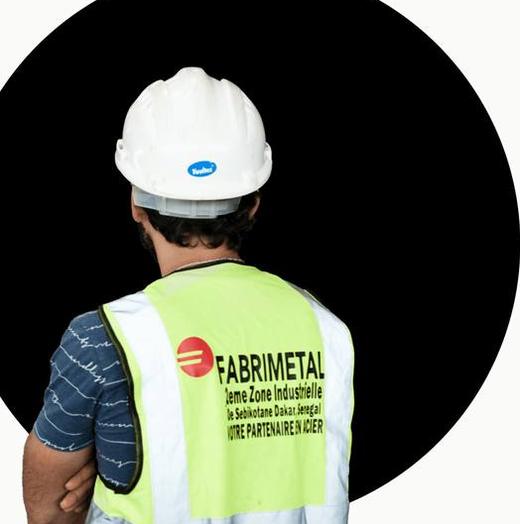
Plants run continuously, so most roles are shift work on site. You will be judged on your safety record and your output, not on how long you have been in the building. The company states its philosophy in one line — be ethical, be transparent, exceed customer standards — and holds every site to the same health and safety practice.
Shift teams depend on each other: the furnace, the caster and the mill run as one line, and a shift is handed over rather than stopped. If you have run a line, a crane, a ledger or a laboratory somewhere else, that experience transfers here.
We offer development opportunities to local and international talent: trades training, technical qualifications and the professional education that turns an operator into a specialist. Openings are posted across the whole group, so people move between plants and between countries.
Working here means being part of the community around the plant: the wages, the suppliers and the skills stay in the country that needs the buildings.
MMD builds a livelihood by recruiting, training and empowering local workers at its facilities in Angola, Benin, Burkina Faso, Burundi, DR Congo, Ghana, Mali, Rwanda and Senegal. In Angola alone, more than 700 Angolans make FM TMT® rebar. Making steel in-country rather than importing it keeps the work, the wages and the supply chain where the building happens.
MMD hires, promotes and pays on ability and performance — not on nationality, ethnicity, religion, gender, disability or age.
Company facts and photographs: mmdsteel.com and fabrimetal.co.ao, MMD’s own published material.
Questions about a job or your application? hr@fabrimetal.net